Why Choosing the Right Soft Toothbrush Can Completely Change Your Oral Health

Most people don’t think twice about their toothbrush. It sits quietly in the bathroom, used twice a day, and replaced—if remembered—every few months. Yet this small tool plays a surprisingly powerful role in your overall oral health. In fact, choosing the right Soft Toothbrush can be the difference between healthy gums and years of preventable dental issues.
Brushing isn’t just about removing food particles
or freshening breath. It’s about protecting enamel, maintaining gum health, and
creating habits that support your smile long-term. And that all starts with the
bristles.
The Misunderstood Relationship Between Brushing and
Damage
There’s a long-standing myth that brushing harder
cleans better. Many people still believe that firm pressure and stiff bristles
equal a deeper clean. Unfortunately, the opposite is often true.
Aggressive brushing can wear down enamel, irritate
gums, and even lead to gum recession. Once enamel is damaged, it doesn’t grow
back. Once gums recede, sensitivity and exposure follow.
This is where a Soft Toothbrush becomes essential. Soft bristles are designed to
clean effectively while being gentle on teeth and gums. They remove plaque
without scraping or scratching, making them a safer choice for daily use.
Why Dentists Recommend Soft Bristles
Ask most dental professionals what kind of
toothbrush they recommend, and you’ll hear the same answer again and again:
soft bristles.
Soft bristles are flexible enough to reach along
the gumline and between teeth, where plaque loves to hide. They bend rather
than stab, allowing for thorough cleaning without trauma. This makes them
suitable for almost everyone, including children, adults, and seniors.
For people with sensitive gums, orthodontic
appliances, or dental restorations, a Soft
Toothbrush isn’t just recommended—it’s necessary.
When Extra Gentle Care Is Needed
Some mouths need even more care. Gum sensitivity,
post-procedure healing, and certain medical conditions require an even lighter
touch. That’s where an Extra
Extra Soft Toothbrush comes in.
These brushes are specifically designed for maximum
gentleness. Their ultra-fine bristles clean the teeth while minimizing
irritation. They’re ideal for people recovering from dental surgery, those with
advanced gum disease, or anyone who experiences pain or bleeding during
brushing.
Using an Extra
Extra Soft Toothbrush doesn’t mean compromising on cleanliness. It means
adapting your tools to your needs.
The Link Between Gum Health and Overall Health
Gum health is often overlooked, but it plays a
crucial role in your overall wellbeing. Inflammation in the gums has been
linked to heart disease, diabetes, and other systemic conditions. Bleeding gums
aren’t normal, and they shouldn’t be ignored.
A gentle brushing routine using a Soft Toothbrush helps reduce
inflammation and supports healthy gum tissue. By minimizing irritation, soft
bristles encourage consistency—people are more likely to brush properly when it
doesn’t hurt.
Consistency, after all, is one of the most
important factors in oral health.
Technique Matters Just as Much as the Tool
Even the best toothbrush can cause damage if used
incorrectly. Scrubbing back and forth with force can undo the benefits of soft
bristles.
The recommended approach is gentle, circular
motions at a 45-degree angle to the gumline. This allows the bristles to clean
beneath the gum margin without causing harm. A Soft Toothbrush naturally complements this technique, working with
your movements rather than against them.
For those using an Extra Extra Soft Toothbrush, this gentle technique becomes even
more effective, especially during periods of sensitivity.
Ideal for Children and Growing Smiles
Children’s gums and enamel are still developing,
which makes them more vulnerable to damage. Starting kids off with soft
bristles helps protect their teeth while teaching proper brushing habits early.
A Soft
Toothbrush encourages comfortable brushing, reducing resistance and
making oral care feel routine rather than stressful. For children with sensory
sensitivities, an Extra Extra Soft
Toothbrush can be particularly helpful.
Building positive habits early often leads to
better dental health in adulthood.
A Better Choice for Orthodontics and Dental Work
Braces, implants, crowns, and veneers all require
special care. Hard bristles can damage orthodontic wires, irritate surrounding
tissue, and wear down restorative materials.
Soft and ultra-soft brushes glide around dental
work without causing friction or discomfort. They allow for effective cleaning
while protecting your investment in dental treatments.
Choosing a Soft
Toothbrush or Extra Extra Soft
Toothbrush is a simple way to extend the life of dental work and
maintain a comfortable brushing experience.
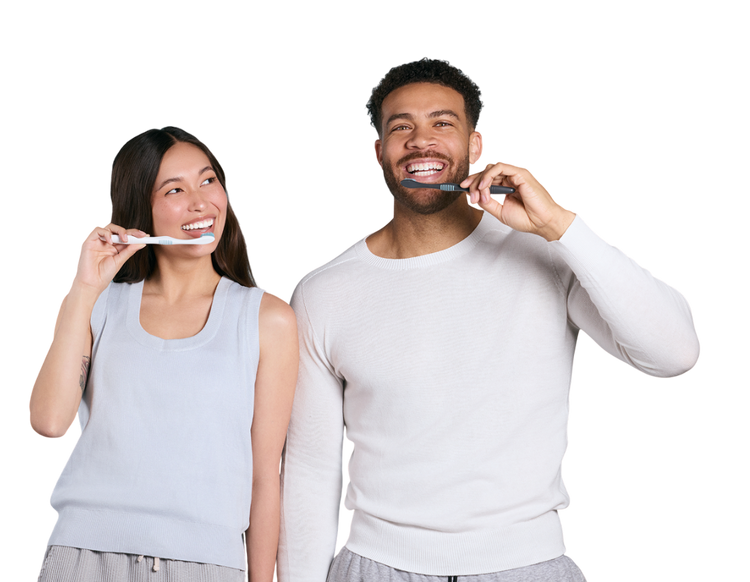
The Psychological Side of Gentle Oral Care
Pain changes behavior. When brushing causes
discomfort, people tend to rush, skip areas, or avoid brushing altogether. Over
time, this leads to plaque buildup and worsening oral health.
Gentle tools remove that barrier. A Soft Toothbrush makes brushing feel
easier and more pleasant, which increases compliance. People brush longer, more
thoroughly, and more consistently when it doesn’t hurt.
That comfort factor shouldn’t be underestimated.
How Often Should You Replace a Soft Toothbrush?
Even the softest bristles wear down over time.
Frayed bristles lose their effectiveness and can become abrasive.
Dental professionals recommend replacing your
toothbrush every three months, or sooner if the bristles begin to spread. If you’ve
been ill, it’s also a good idea to replace your brush to avoid reintroducing
bacteria.
An Extra
Extra Soft Toothbrush may need replacement slightly more frequently, as
its finer bristles can wear faster with regular use.
Pairing the Right Toothpaste With the Right Brush
Your toothbrush doesn’t work alone. Toothpaste
plays a supporting role, especially for those with sensitivity.
Low-abrasive toothpaste paired with a Soft Toothbrush creates a balanced
routine that cleans effectively without stripping enamel. For heightened
sensitivity, combining gentle toothpaste with an Extra Extra Soft Toothbrush can significantly reduce discomfort.
It’s not about one product—it’s about the system
working together.
Sustainability and Thoughtful Choices
Many modern toothbrushes now focus on
sustainability as well as performance. Soft and ultra-soft options are
increasingly available in eco-friendly materials, making it easier to care for
your mouth and the planet at the same time.
Thoughtful oral care choices reflect a broader
awareness of health, comfort, and responsibility.
Choosing Quality Makes a Difference
Not all toothbrushes are created equal. The quality of bristles, handle design, and manufacturing standards all impact performance.
Selecting a trusted dental care provider ensures you’re choosing tools designed with professional insight and patient comfort in mind. Quality toothbrushes are an investment in long-term oral health, not just a daily habit.
Final Thoughts
A toothbrush may seem like a simple object, but its impact is anything but small. Choosing a soft toothbrush helps protect your enamel, supports healthy gums, and encourages better brushing habits over time. For those who need even gentler care—such as people with sensitive gums or after dental procedures—an extra extra soft toothbrush offers exceptional comfort without compromising on cleanliness. Thoughtfully designed options like those featured on proprdental.com make it easier to care for your smile every day.
Oral health isn’t about force. It’s about consistency, technique, and choosing tools that work with your body rather than against it.
Sometimes, the gentlest option is also the smartest one.


Comments
Post a Comment